Data Breach
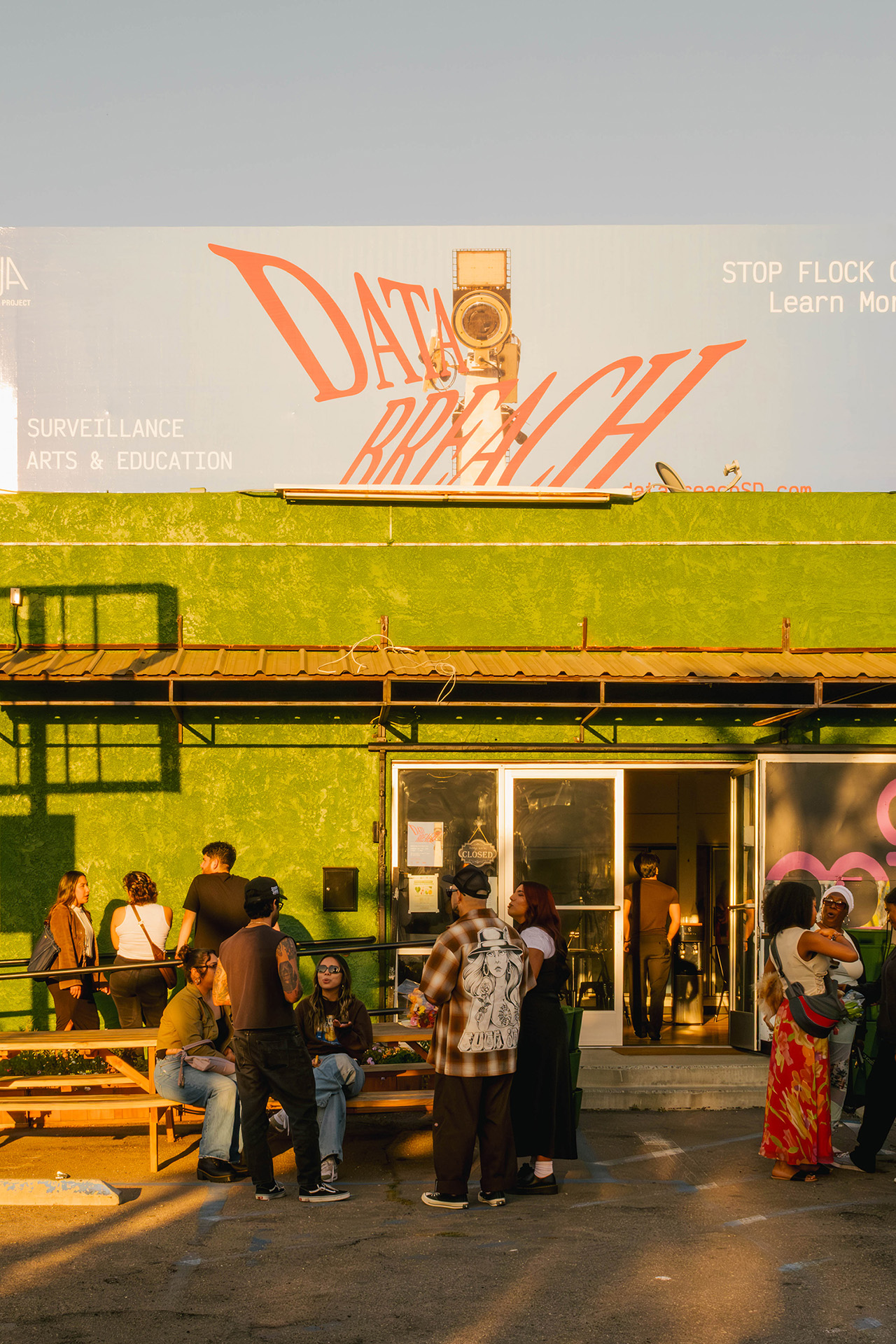
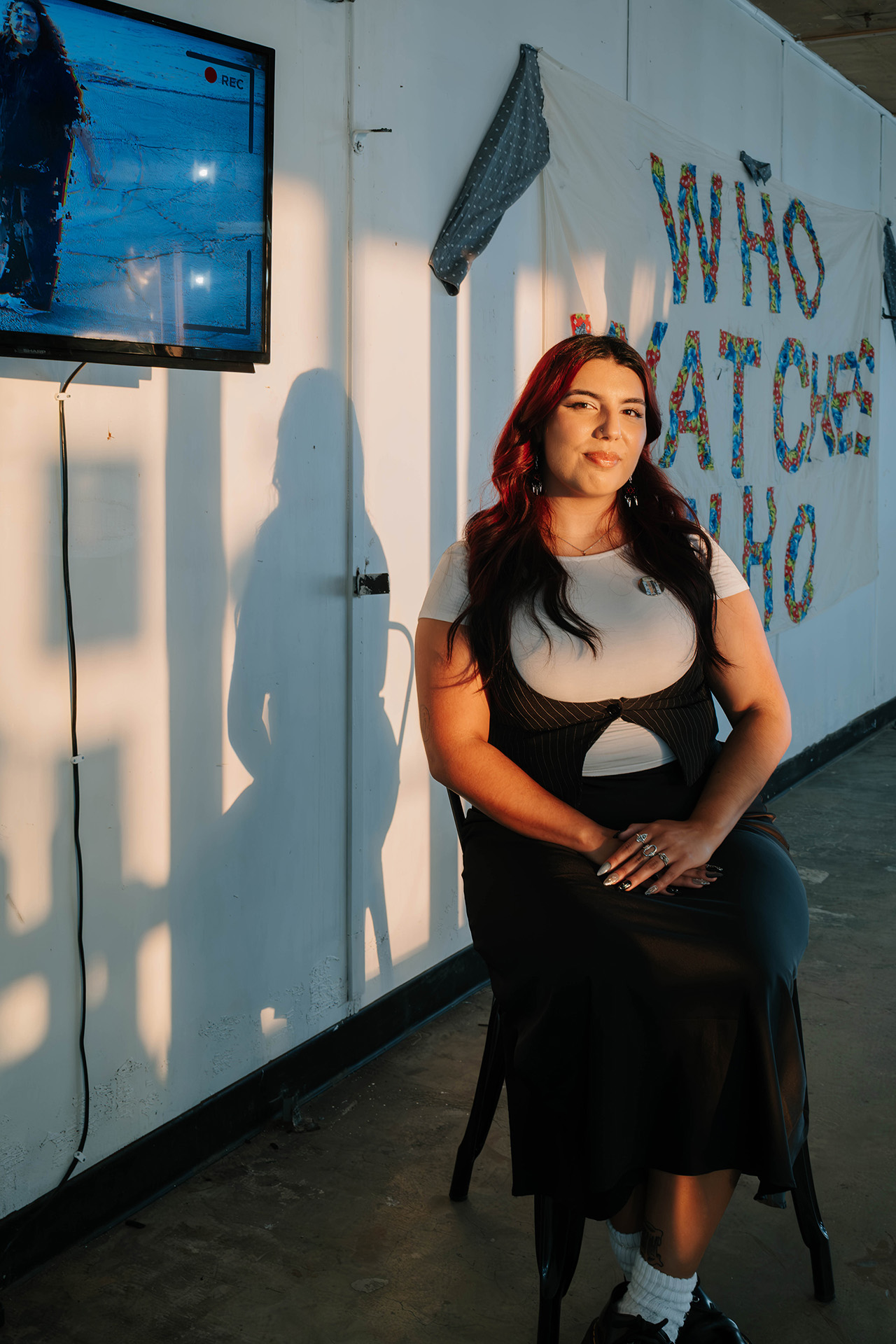
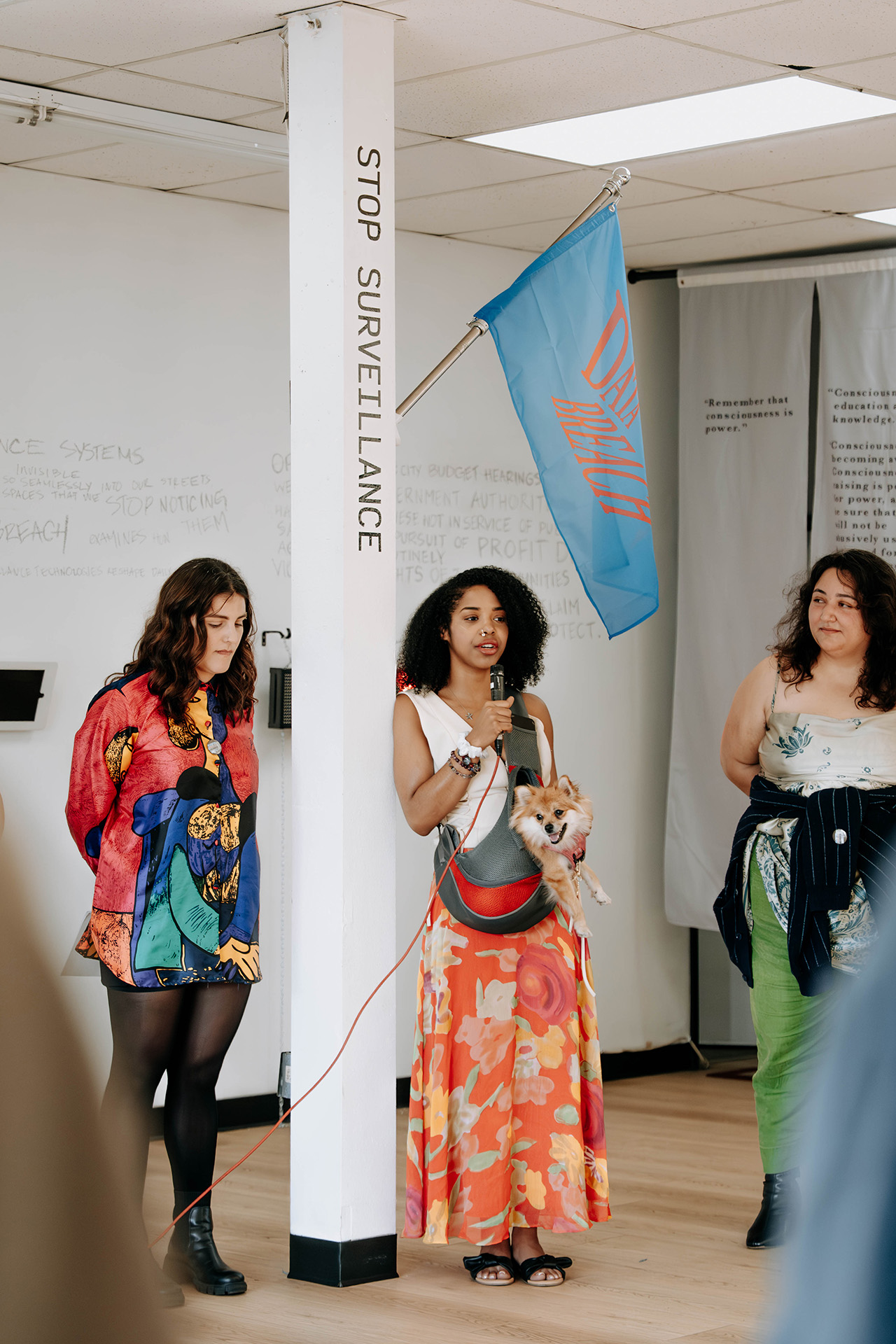
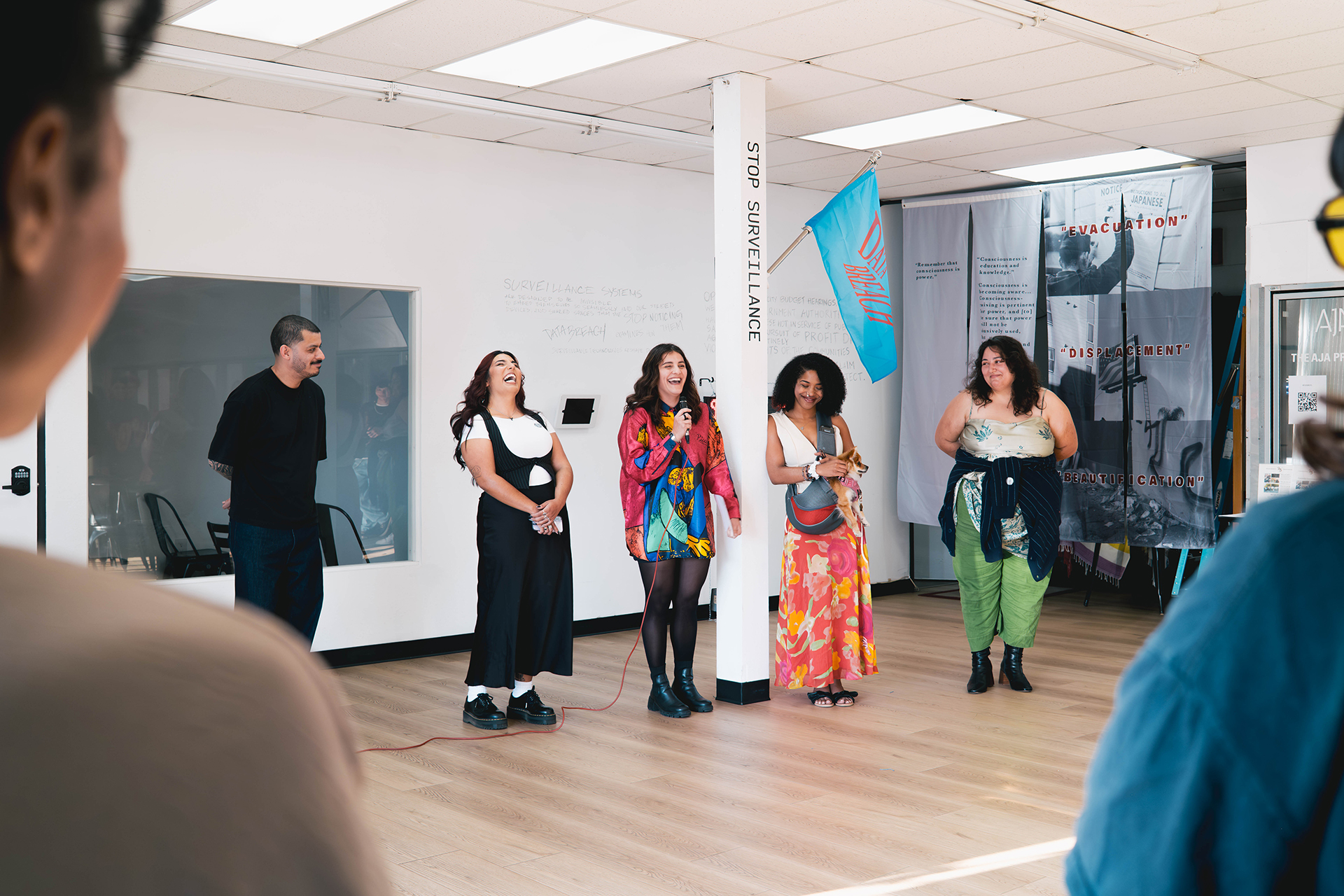
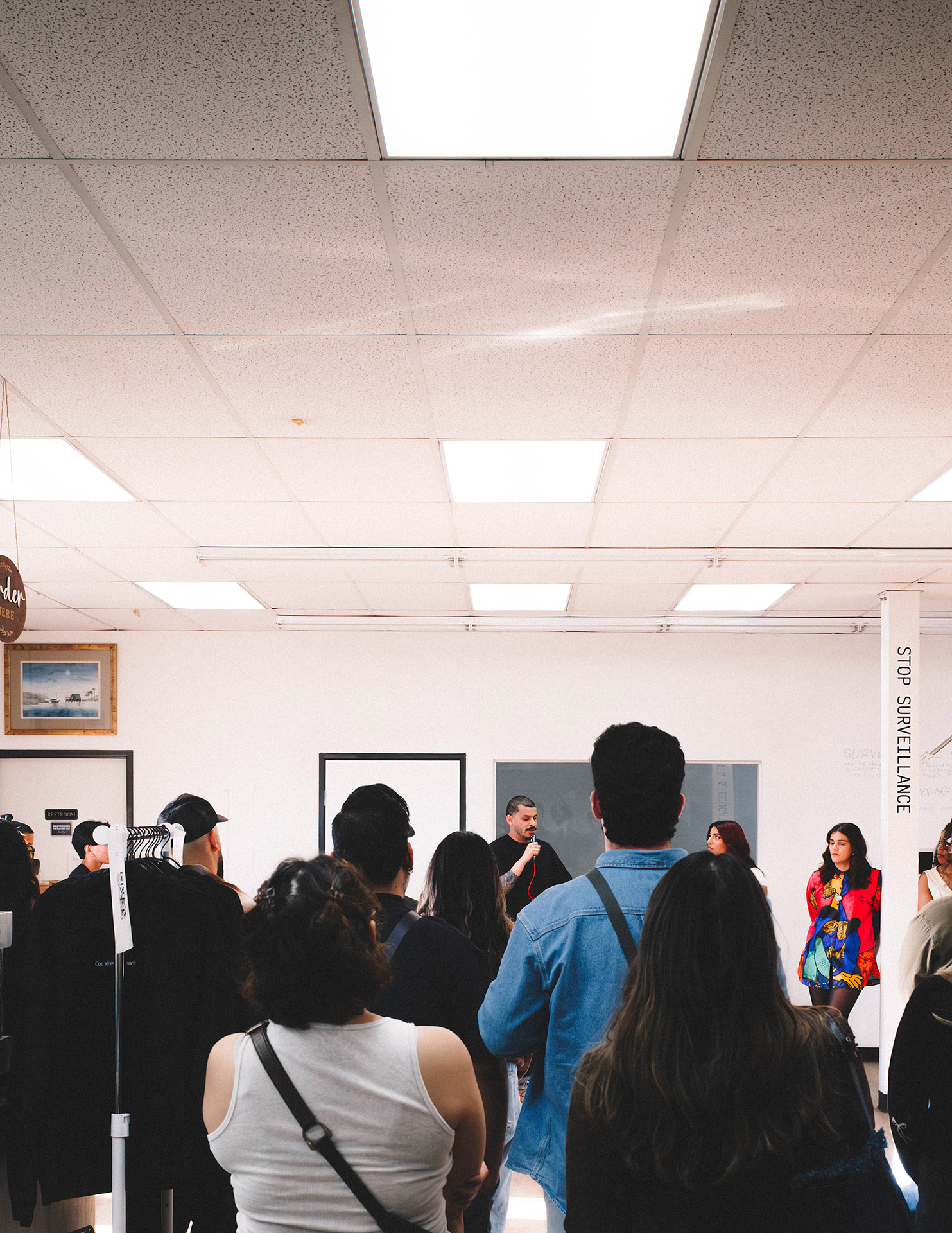
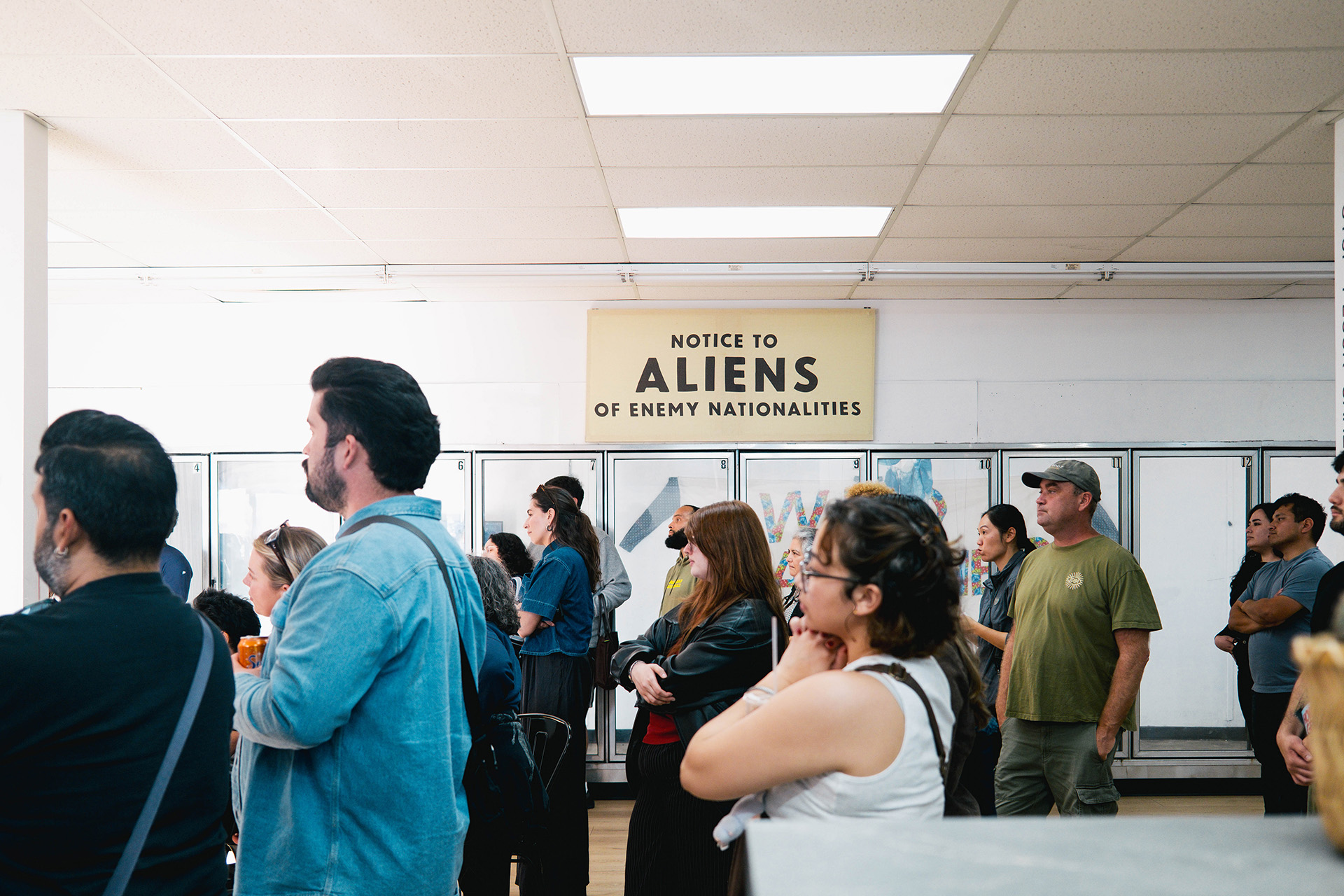
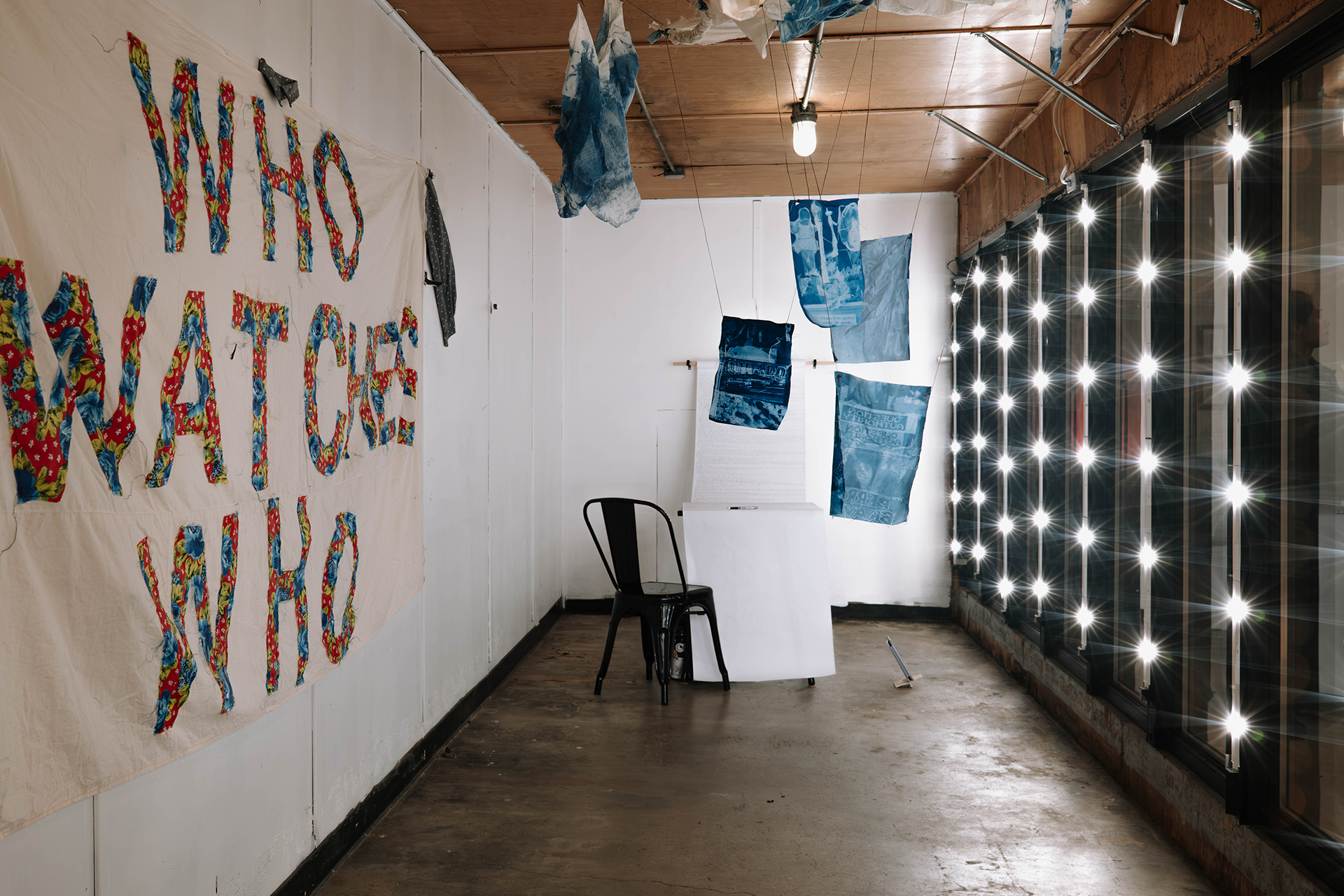
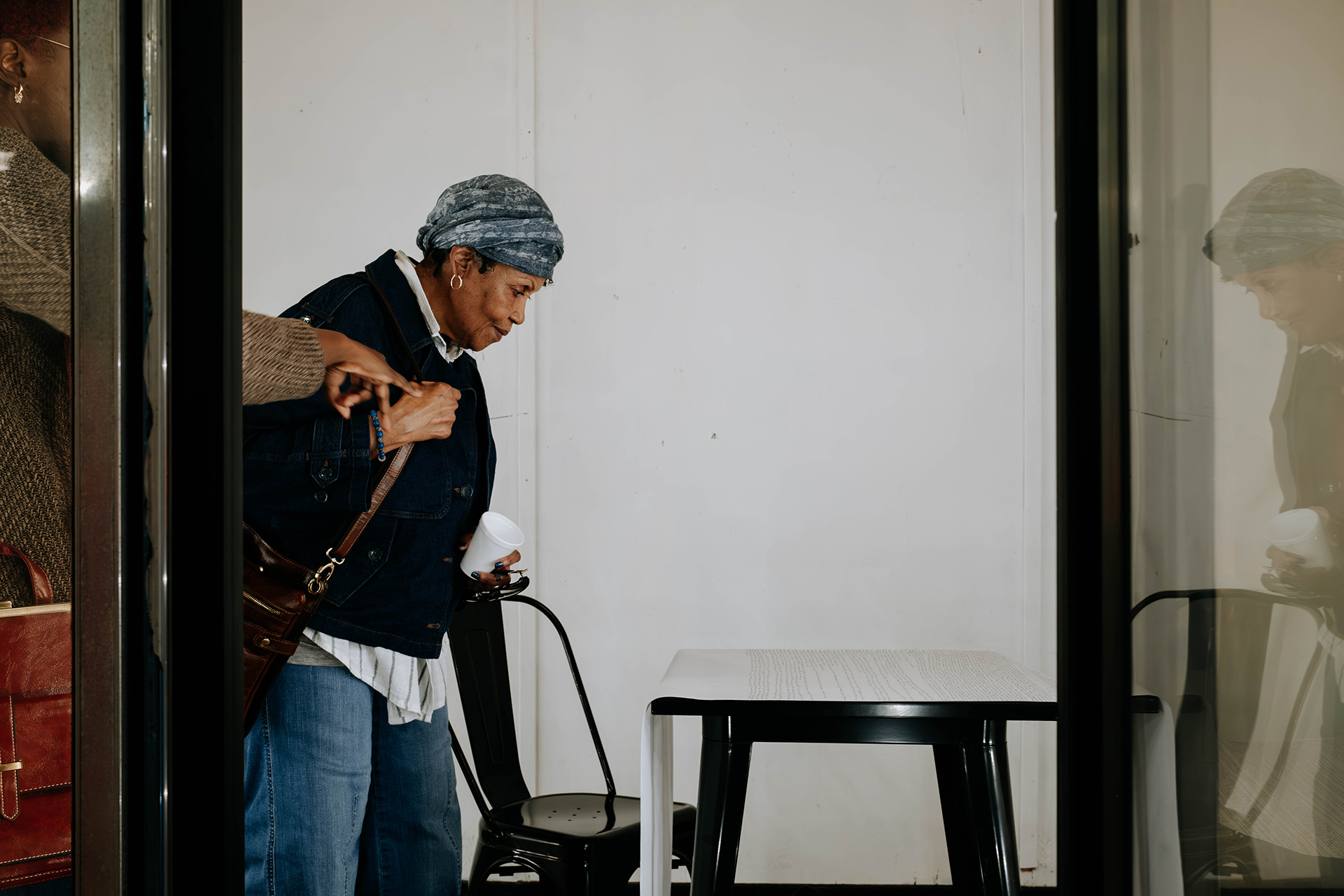
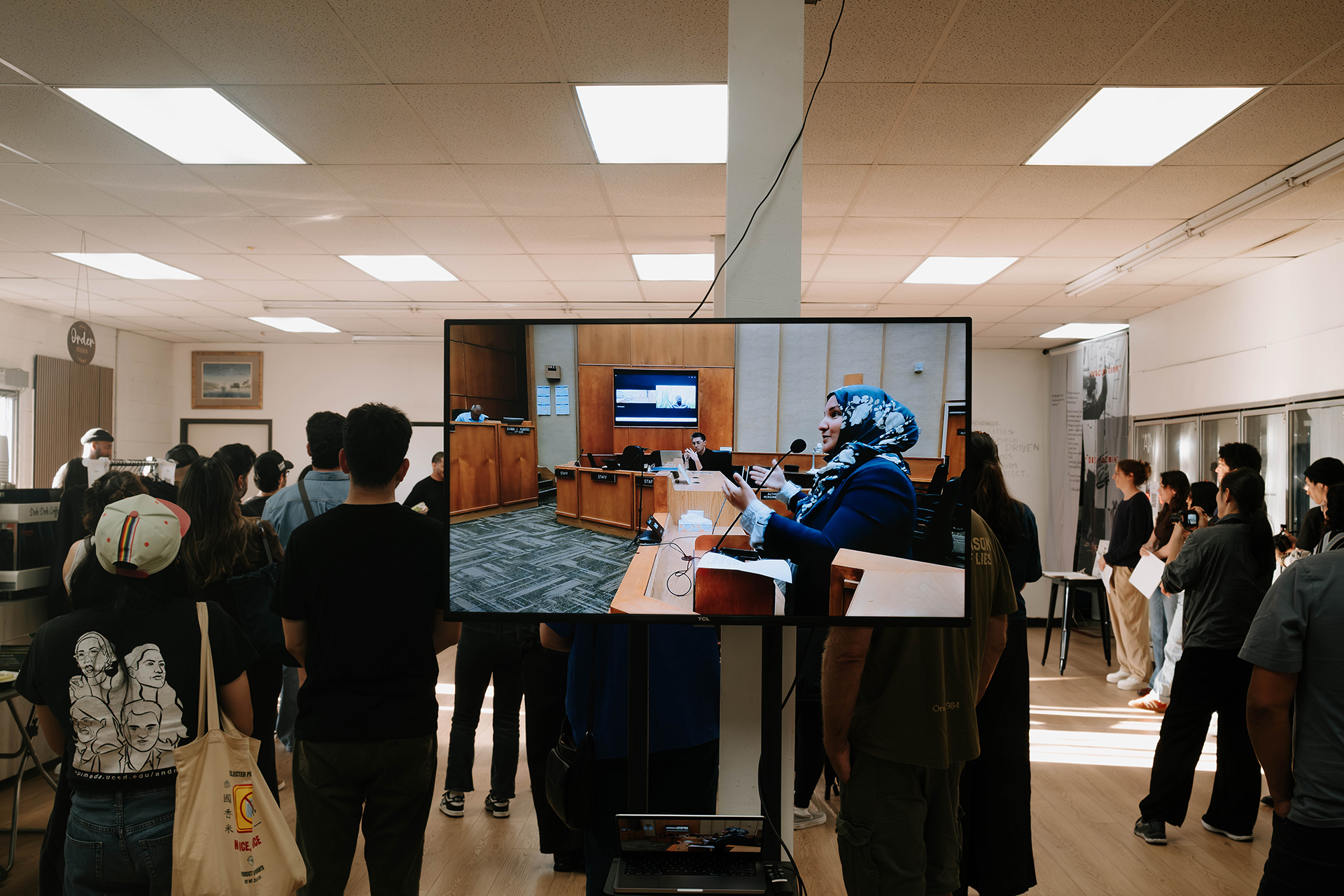
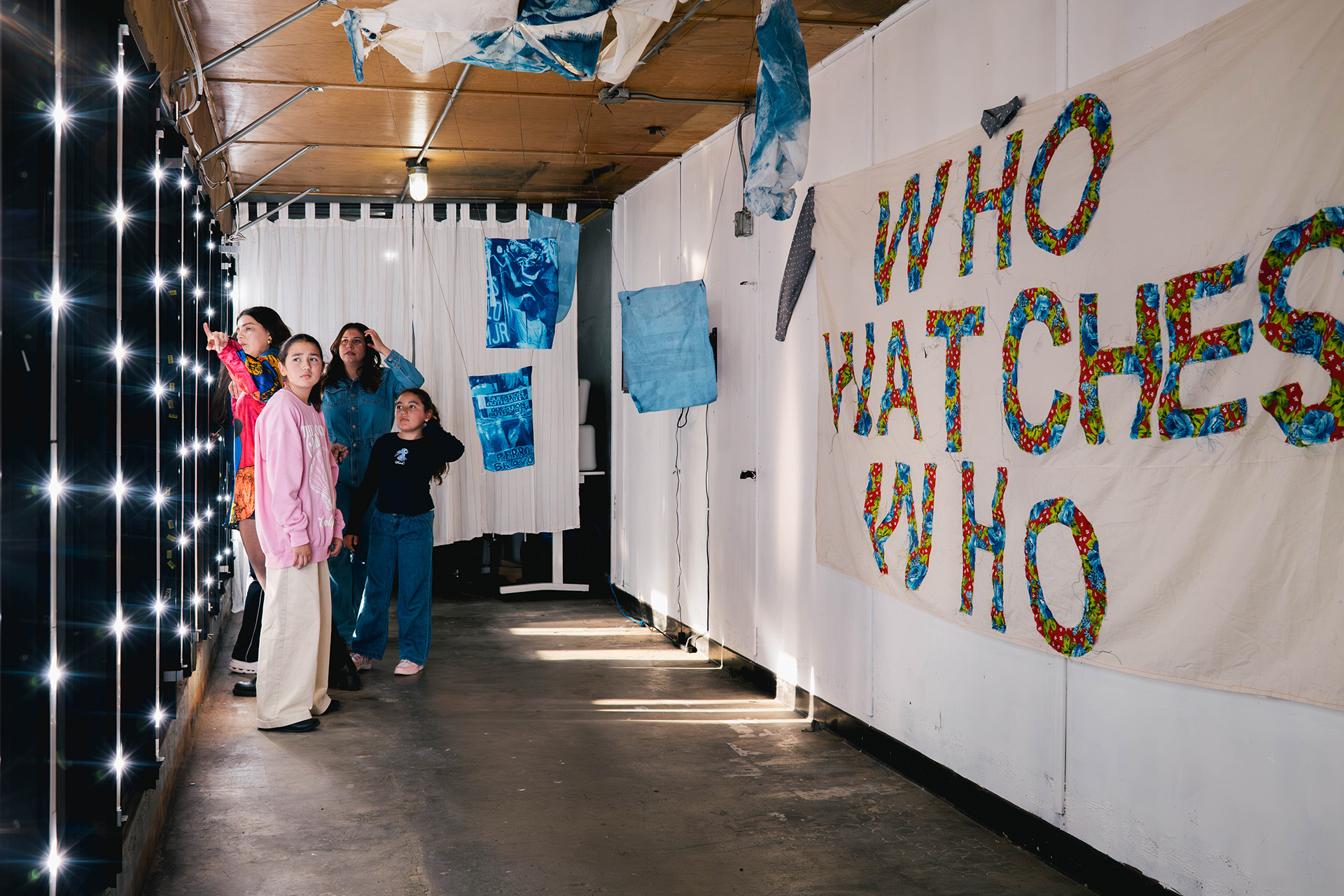
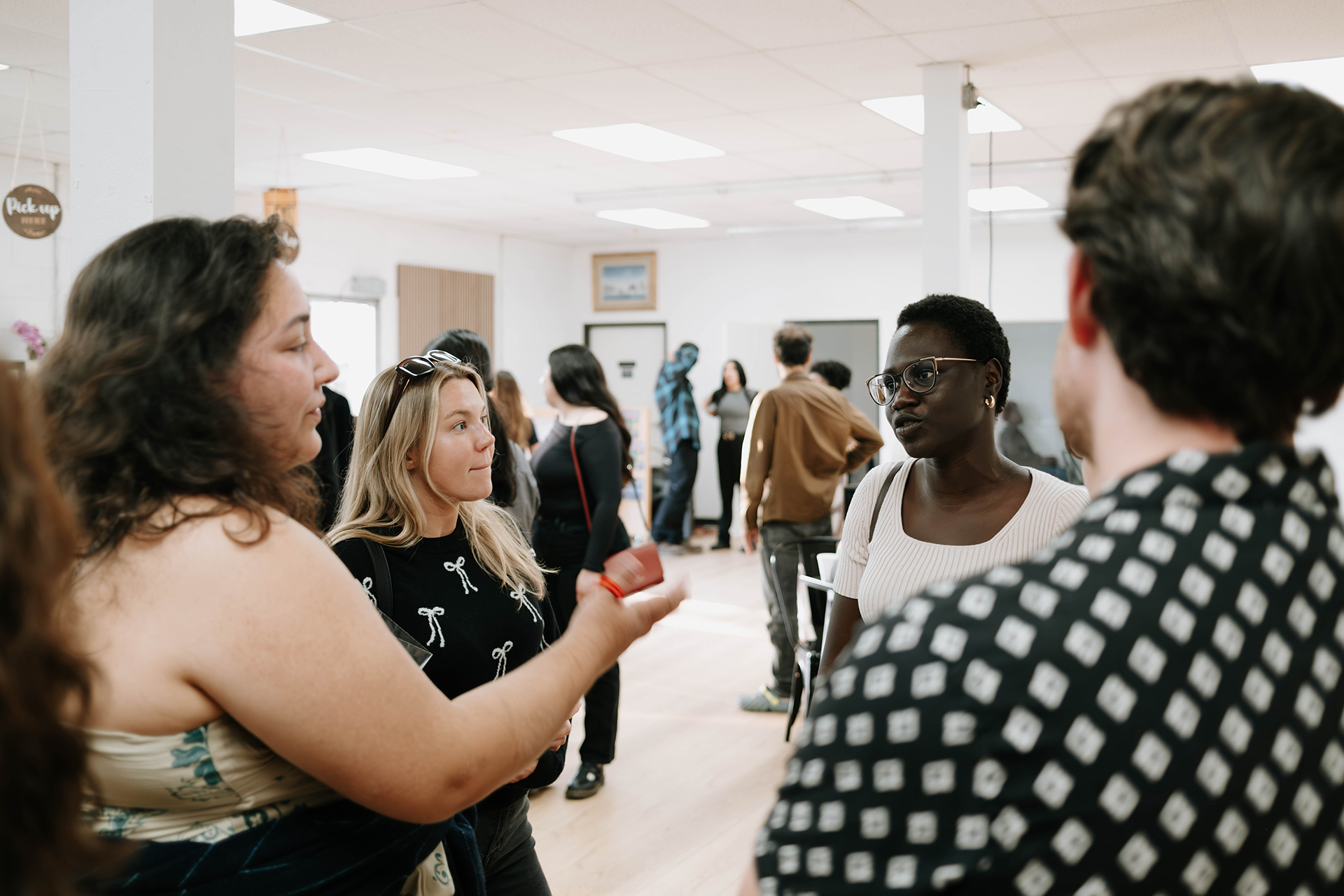
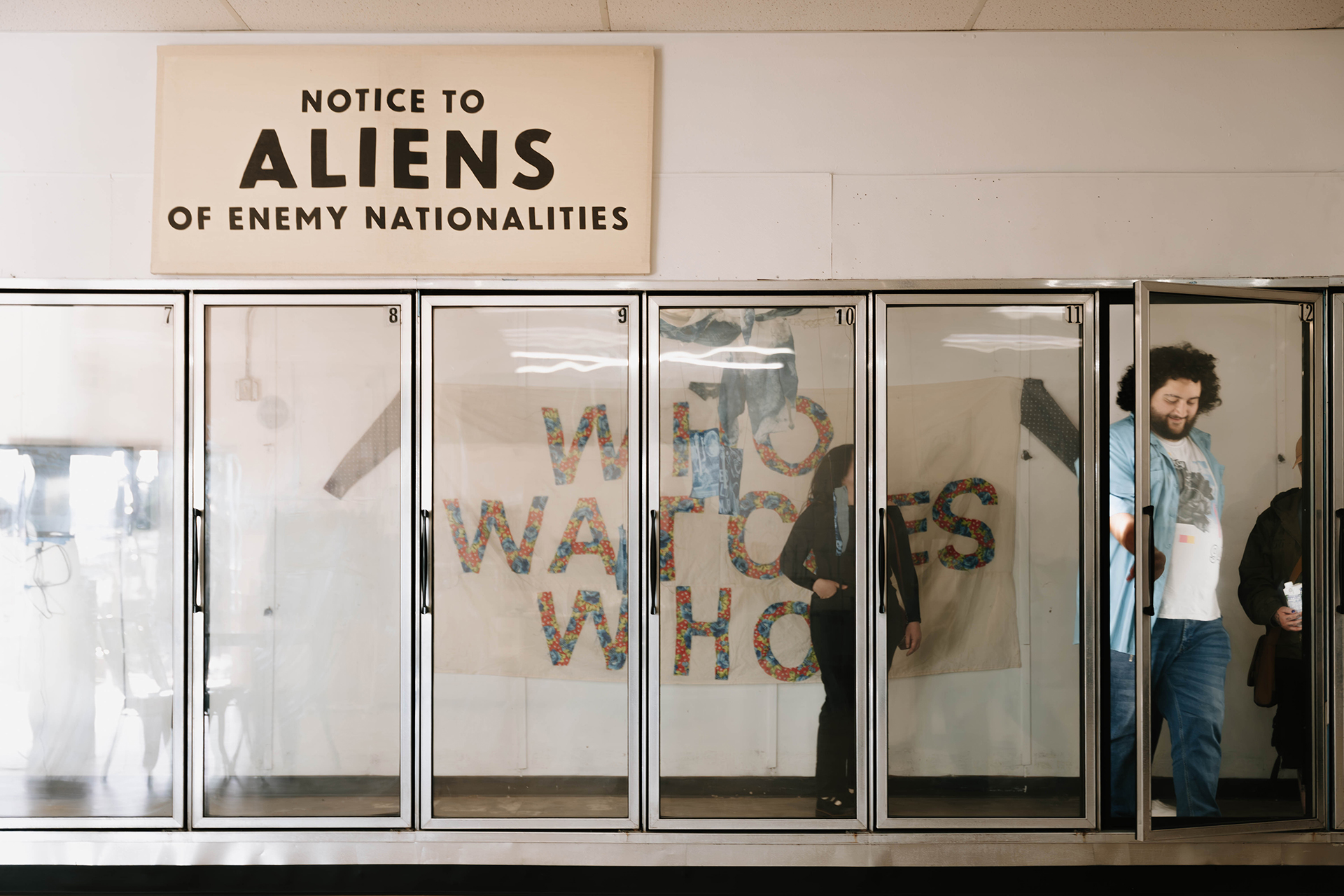
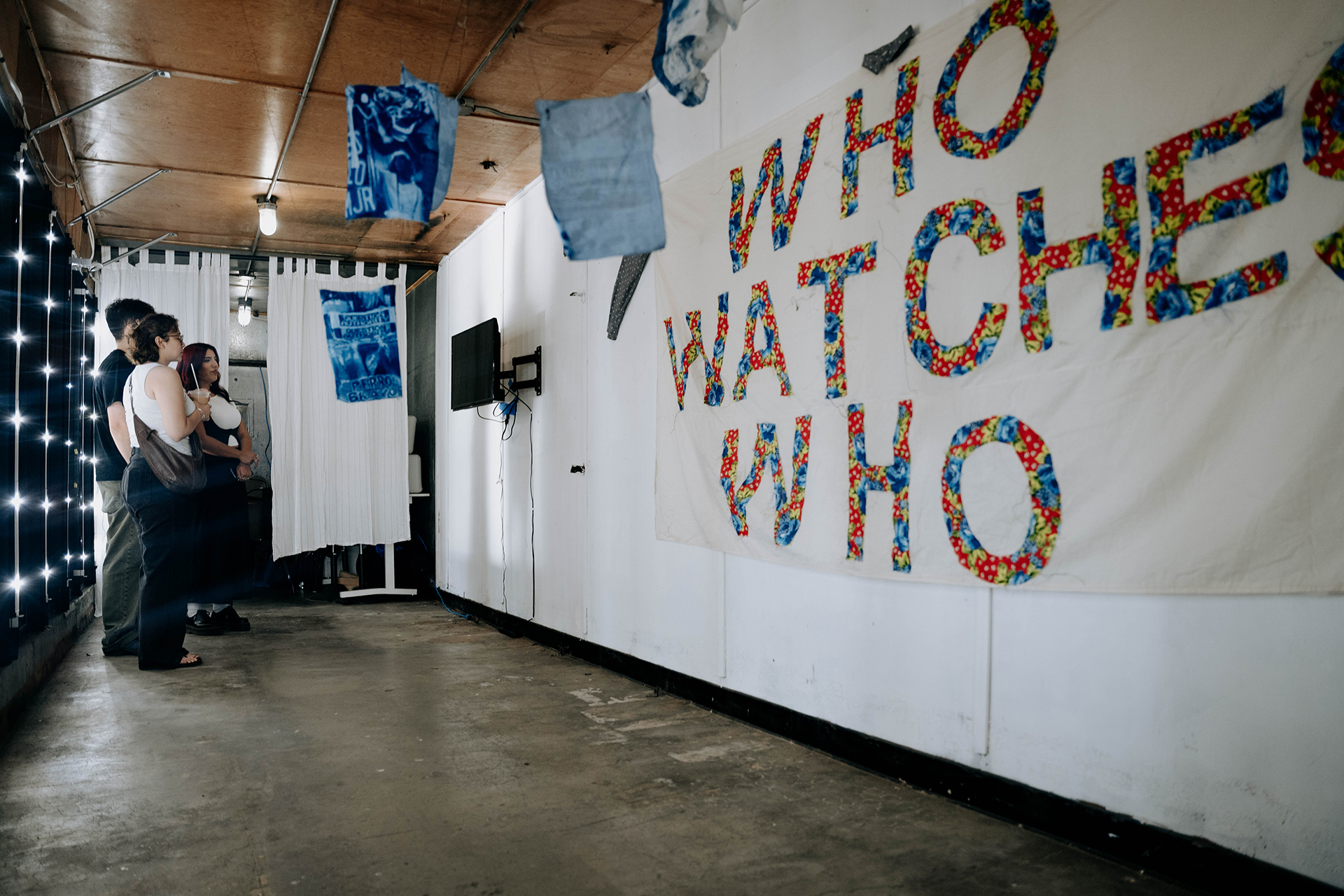
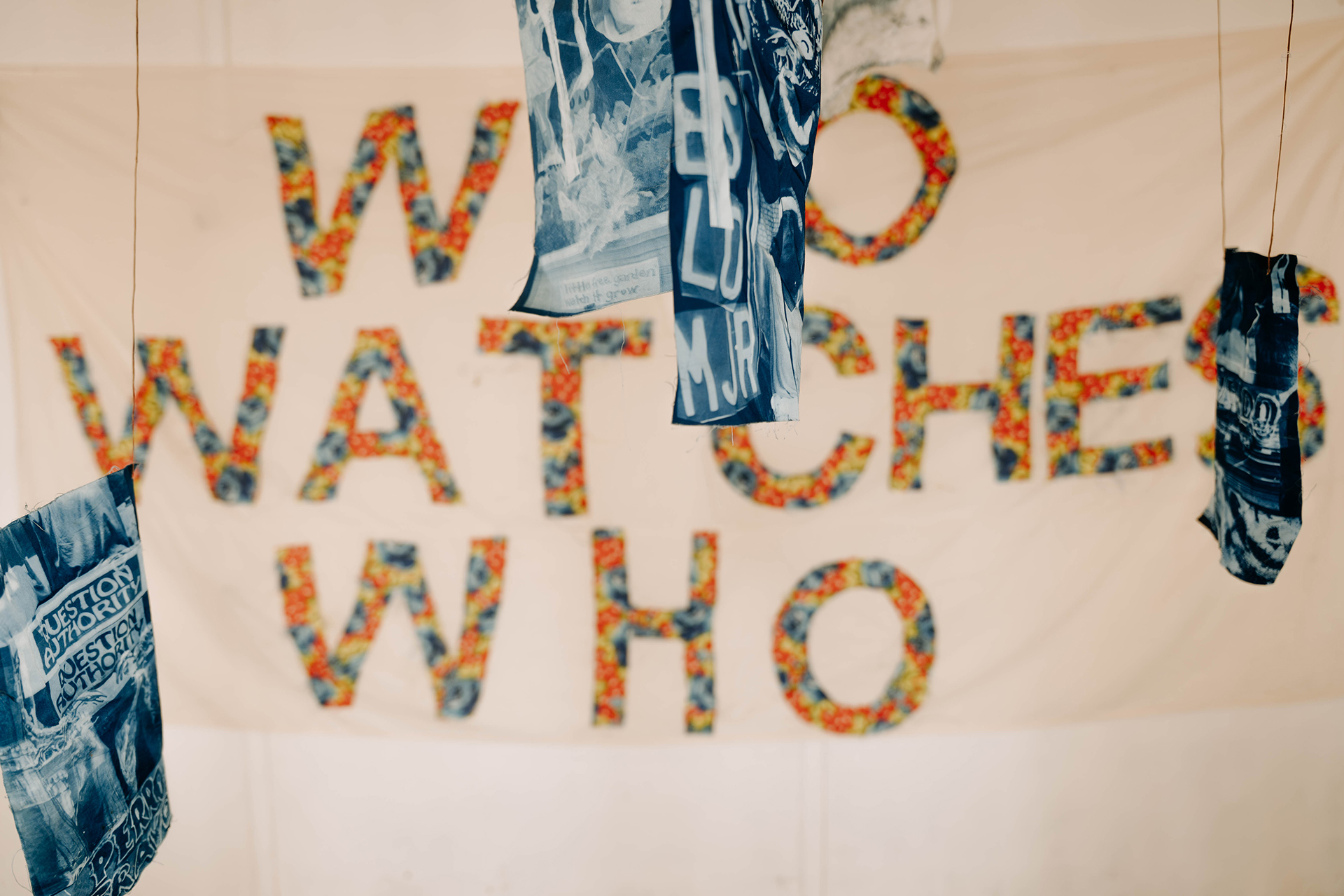
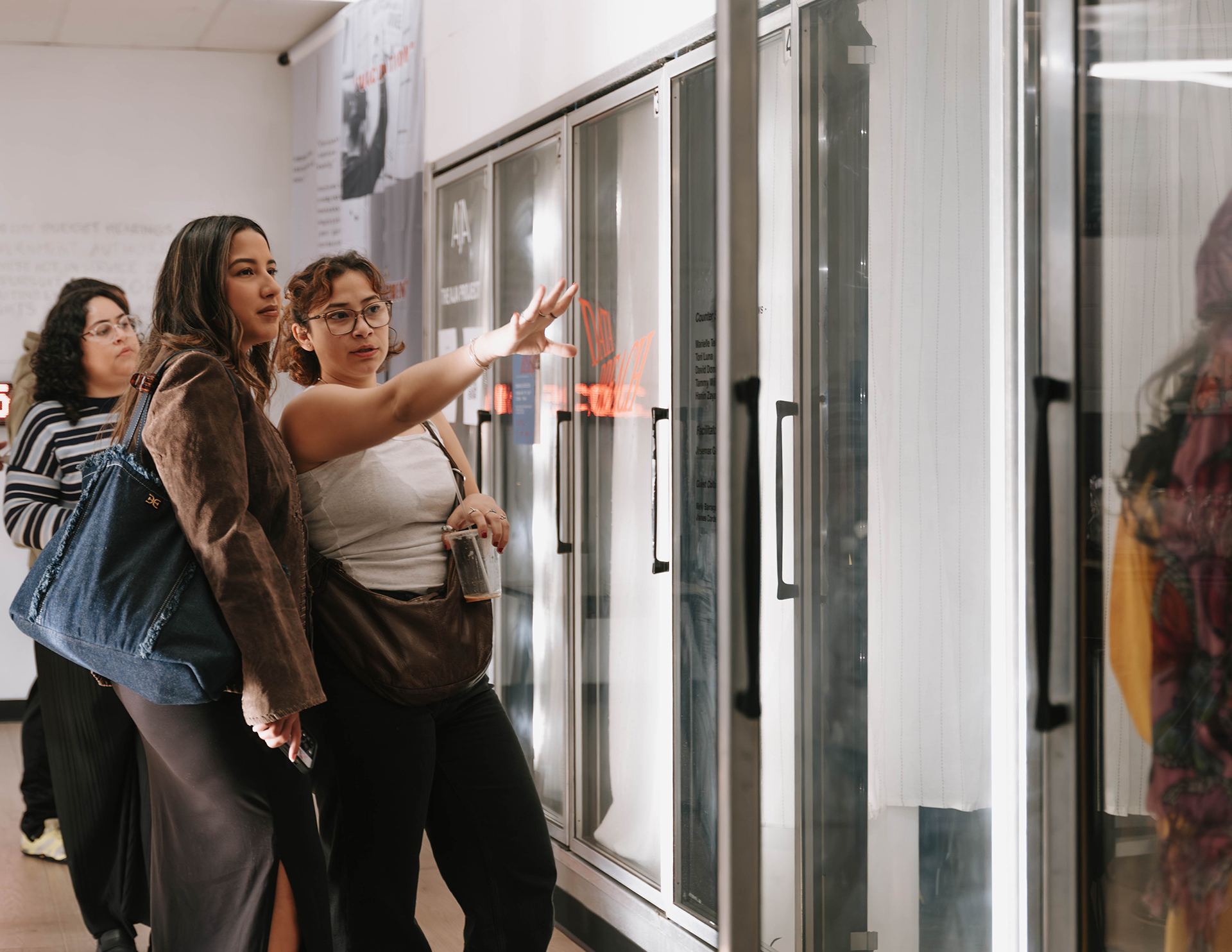
Data Breach is a countersurveillance curriculum I authored, exploring how surveillance systems are embedded in our daily lives. Its first cycle ran as a three month fellowship with The AjA Project, tracing the history of these systems, from lantern laws to the 100 mile border zone to modern policing and immigration enforcement, and surfacing a pattern in how public funding for surveillance companies keeps increasing at the expense of the communities they claim to protect. Research turned into artwork, testimony, and public exhibition, culminating in a 2026 exhibition at the Fridge Gallery in City Heights.
The communities most surveilled in this region, immigrants, refugees, transborder families, working class neighborhoods like City Heights, are rarely the ones who get to speak about surveillance on their own terms. They are studied, sorted, and spoken for.
Role
Author, Facilitator, Creative Director
Medium
Fellowship, exhibition, public campaign, film
Year
2026 – present
Location
Fridge Gallery, City Heights
Data Breach puts the tools of authorship in the hands of the people these surveillance systems track. Participants make the work, tell their own stories, and carry those stories into public space, including the City Council chambers where decisions about surveillance funding are made.
The exhibition is scheduled for May, one month ahead of San Diego’s budget hearings in June, so the conversation is fresh and visible when decisions about surveillance funding are actually being made.
Surveillance infrastructure in San Diego County and along the border is designed to not be noticed, embedded in daily life so thoroughly that its presence rarely registers as a choice someone made. My work traces mass surveillance and the technologies that enable it, and asks what it means to make visible a system built to be invisible.
San Diego and Tijuana share a border and a surveillance apparatus that treats that border as a testing ground for new technologies before they spread elsewhere. Many fellows and community members live transborder lives, crossing daily for school, work, or family.
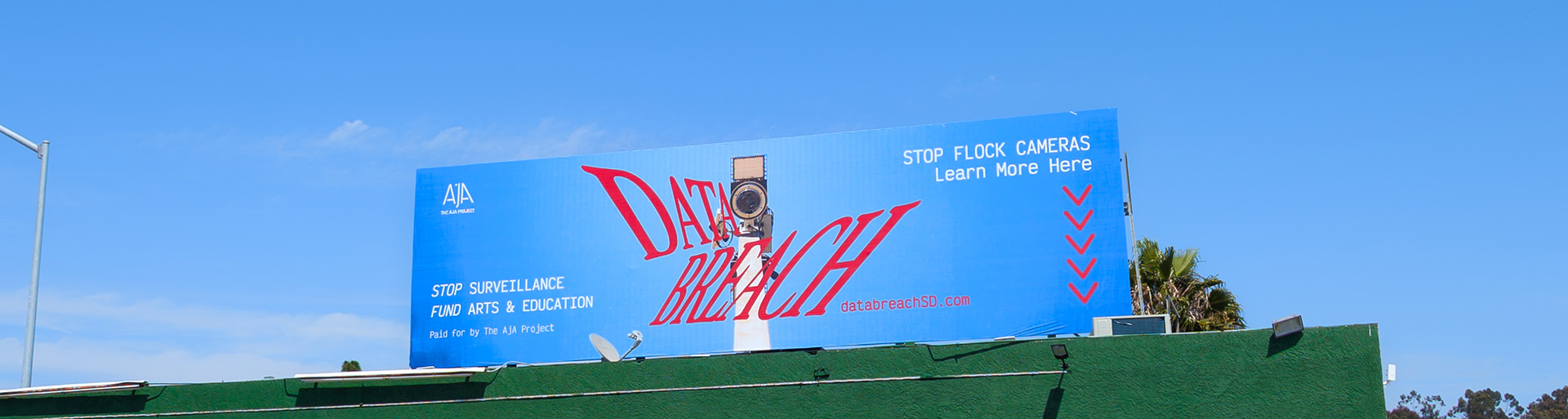
exhibition statement
Surveillance systems are designed to be invisible; to embed themselves so seamlessly into our streets, devices, and shared spaces that we stop noticing them entirely.
Data Breach examines how surveillance technologies reshape daily life. Opening during the city budget hearings we see how government authorities have leveraged these not in service of public safety but in pursuit of profit-driven agendas that routinely violate the rights of the communities they claim to protect.